Recent Post

Exploring Table Layout Options In Contemporary Poker Software ...
The visual arrangement of digital cardrooms plays a pivotal role in how enthusiasts process real-time information and execute complex strategies. Modern gaming clients have moved far beyond rigid, unchangeable grids, offering a variety of dynamic spatial structures to accommodate different styles of play. Discerning how these distinct structural formats function allows players to build an optimal grind environment tailored to their exact tactical demands.
The Core Frameworks of Grid and Cascading Layouts
Traditional grid arrangements remain the foundation for many multi-table players who require absolute visibility across all active sessions simultaneously. This structured method positions every window in a uniform, side-by-side pattern that completely eliminates the risk of missing a critical action indicator. By preventing overlapping interfaces, a standardized grid allows competitive participants to maintain passive focus over several games without continuous manual navigation.
Conversely, cascading systems stack active windows diagonally across the screen to conserve valuable display real estate on compact monitors. When an urgent decision occurs, the underlying application automatically brings the relevant table to the forefront of the workspace. This layout style is especially beneficial for individuals who prefer a larger view of a singular table rather than tracking multiple small frames.
The Multi Table Architecture of Tile and Cascade Adjustments
As virtual rooms continue to attract diverse user bases, developers focus heavily on automated layout adjustment features that react dynamically to new window additions. Modern systems utilize advanced layout engines that instantly resize existing frames whenever a new tournament or cash session opens. These automatic adaptations ensure that visual scaling happens smoothly without interrupting current gameplay interactions.
For those exploring advanced digital environments, platforms powered by a premium m88 mansion interface provide highly responsive table customization tools built for seamless multitasking. Integrating these specialized spatial parameters ensures that action alerts, chat boxes, and dealer logs remain perfectly aligned regardless of changing monitor configurations. Maintaining uniform formatting across different workspaces naturally helps players safeguard their accuracy over long sessions.
Customization Systems and Player Ergonomics
Beyond standard alignment models, custom table options empower users to tailor their virtual surroundings to support sustained mental stamina. Minimalist themes remove unnecessary graphics, animations, and promotional banners to keep the primary view completely free from disruptive noise. Reducing mechanical and visual friction allows players to direct their cognitive energy entirely toward calculating pot odds and tracking player habits.
Ultimately, selecting the perfect programmatic setup requires balancing system performance against individual layout preferences. High-quality poker programs optimize data transfer pathways so that shifting, resizing, or tiling multiple active tables consumes minimal hardware processing power. Investing time into structuring a highly personalized virtual interface creates a sustainable ecosystem where strategy can truly flourish over technical limitations.
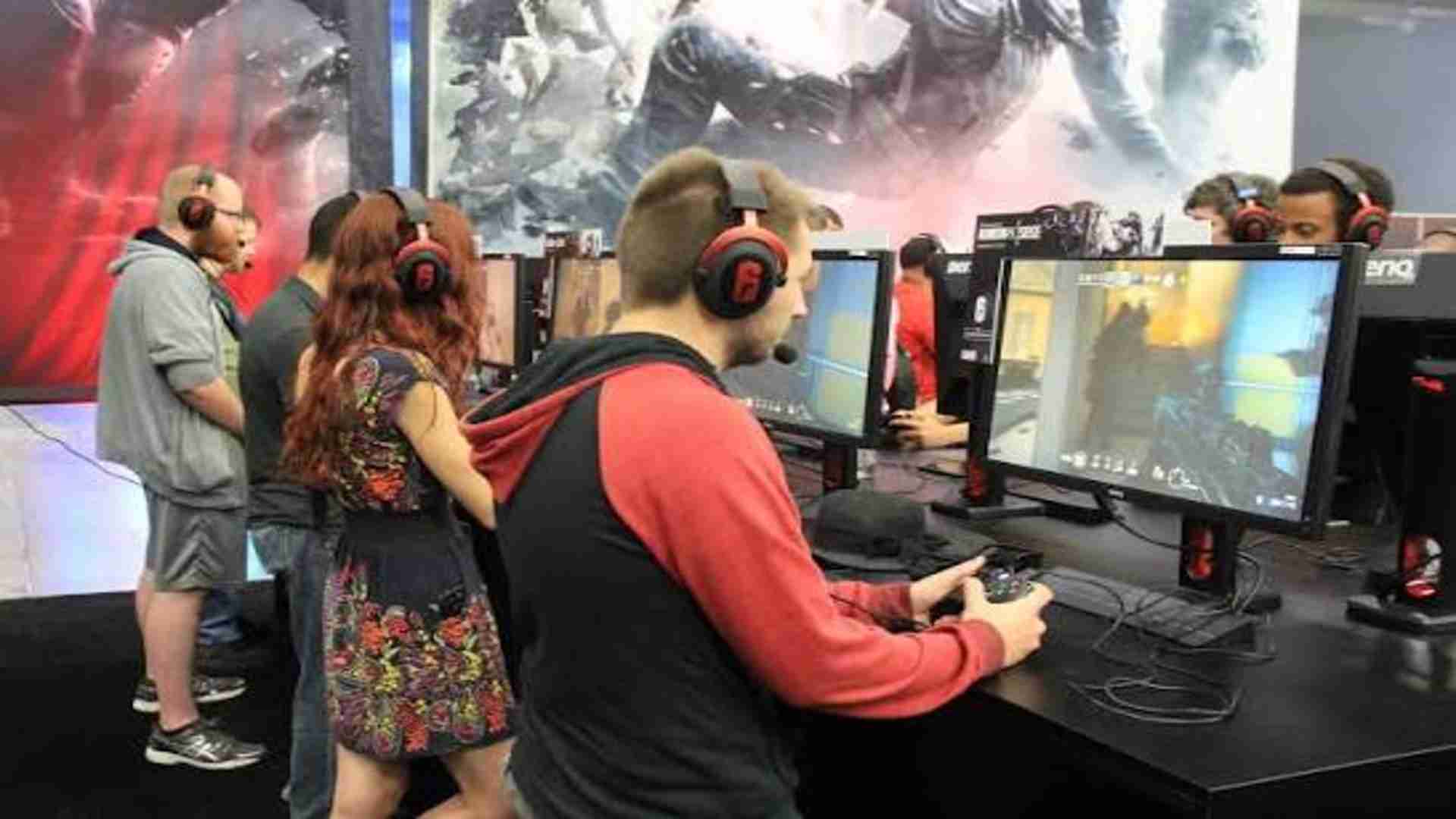
How to Get Better at CSGO HMCDGaming Tips for Improving Your Skills ...
Mastering Counter-Strike: Global Offensive requires a delicate balance of mechanical precision, tactical awareness, and mental resilience. Many players find themselves stuck in specific skill tiers because they rely purely on raw reflexes rather than structured execution. By understanding how to get better at CSGO HMCDGaming tips for improving your skills, you can break through performance plateaus and elevate your competitive rank.
Mastering the Fundamentals of Crosshair Placement
One of the most immediate ways to improve your combat efficiency is to fix where you look while navigating the map. Beginners often make the mistake of aiming at the floor or general center of the screen while moving. Keeping your crosshair at head level ensures that you minimize the physical distance your mouse must travel to secure a critical elimination.
Predicting enemy positions based on common defensive angles will drastically reduce your overall reaction time during engagements. Instead of relying on sudden flick shots, focus on clearing areas systematically as you peek around corners. This deliberate approach allows you to transition from passive holding to active dueling with maximum control over your weapon.
Developing Deep Map and Timing Awareness
Individual mechanical skill can only take you so far without a solid understanding of the game layouts and infrastructure. Learning the callouts for every major competitive map is essential for clear communication with your teammates. Knowing exactly where an opponent is located allows your squad to execute efficient rotations and defensive setups.
Furthermore, understanding map timings helps you predict exactly when and where an adversary can challenge your position at the start of a round. This foresight allows you to prepare utility items like flashbangs and smoke grenades to delay aggressive pushes. Playing both tactical sides evenly provides deeper insights into the psychology and routes of your opponents.
Optimizing Physical Hardware and Game Configurations
Your external environment and software settings play a vital role in how accurately your physical movements translate into the virtual world. Ensuring that you use raw mouse input within your system settings removes unexpected acceleration issues during high-stakes tracking. Finding a comfortable mouse sensitivity balance lets you make micro-adjustments without sacrificing your ability to turn quickly.
Hardware latency can also subtly impact your dueling success when facing highly skilled competitors in matchmaking servers. Utilizing a wired internet connection instead of wireless setups dramatically reduces packet loss and sudden latency spikes. Configuring your monitor to a high refresh rate ensures fluid animations that make tracking moving targets much easier.
Implementing Structured Practice and Routine
Inherent talent can establish a baseline performance, but consistent and deliberate practice is what truly builds professional muscle memory. Utilizing specialized training maps from the community workshop allows you to isolate your aim mechanics without the pressure of live matches. Dedicating time to warming up against moving targets prepares your mind for the fast-paced nature of real encounters.
Reviewing your personal match demonstrations is another powerful tool for identifying recurring tactical mistakes and positioning errors. Pay attention to how you died and consider what alternative choices would have yielded a better outcome for your team. Taking regular breaks between sessions ensures you maintain a fresh mindset and avoid physical fatigue during long gaming sessions.
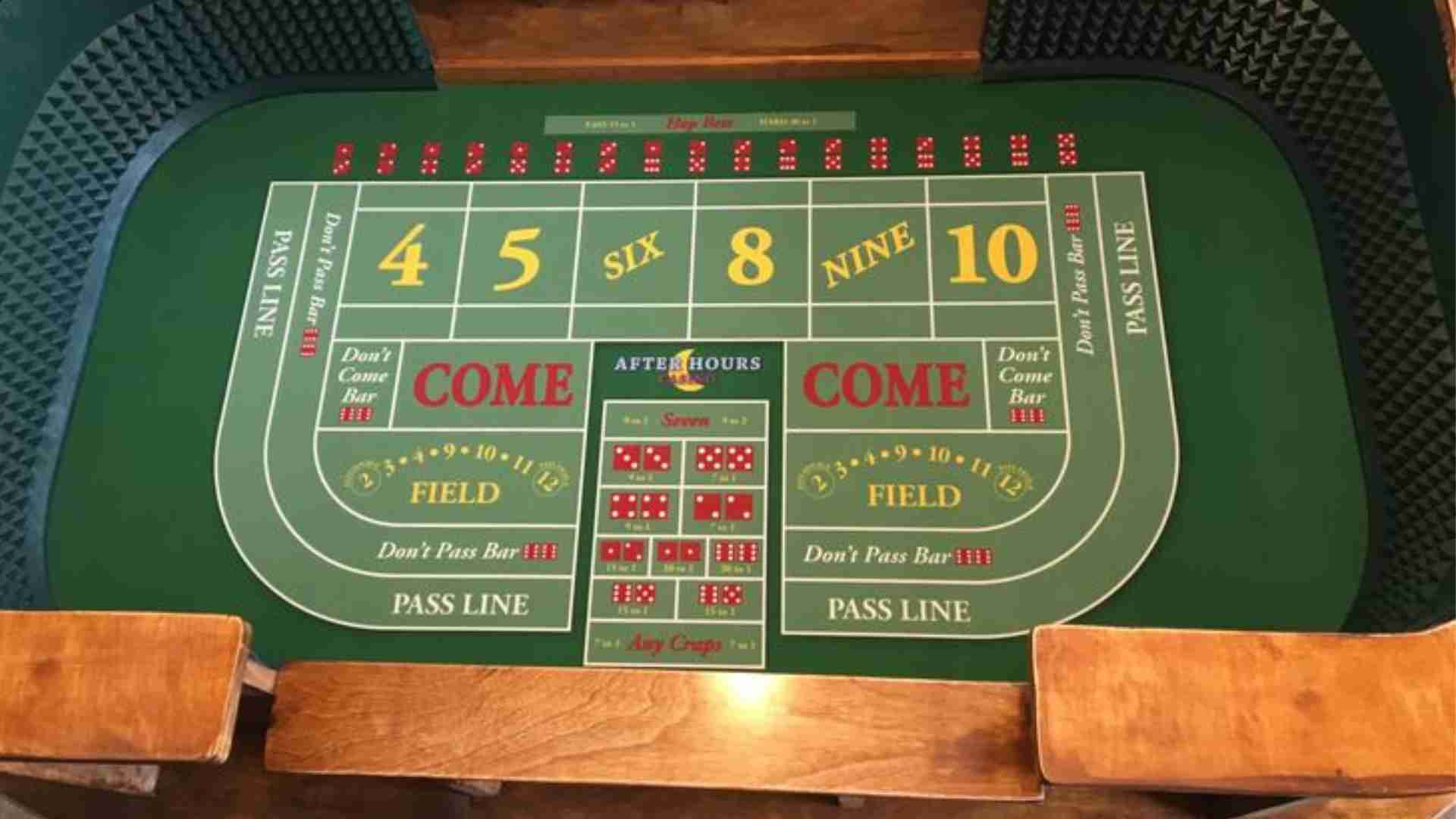
kirby and the forgotten land sillydillo Sillydillo Boss Guide and Strategy ...
Kirby and the Forgotten Land brings players into a beautiful 3D world filled with charming enemies and intense boss battles. Among the most memorable encounters in the game is Sillydillo, the eccentric, scrap-collecting boss found in the desolate region of Originull Wasteland. Mastering this fight requires a strong understanding of his predictable attack patterns and the right selection of copy abilities.
Understanding Sillydillo Phase One Attacks
When the battle begins, Sillydillo relies heavily on his massive shell to execute fast rolling attacks across the arena. Players should focus on keeping a safe distance and preparation for well-timed dodges to avoid taking unnecessary damage. After completing a rolling sequence, the boss will momentarily become dizzy, leaving a perfect opening for massive counterattacks.
In addition to rolling, he will occasionally attempt to trap Kirby inside a handmade cage structure. If you get caught, you must rapidly shake the control stick to break free before sustaining serious damage. Watching his physical tells will give you plenty of time to slide out of harm's way.
Navigating the Chaotic Second Phase
Once his health drops below the halfway threshold, Sillydillo escalates the battle by introducing unusual homemade puppets into the mix. He will dance around the arena with his dynamic creations, swinging them in wide arcs that cover a significant portion of the floor. Floating over these sweeping ground attacks is the safest way to maintain your positioning.
During this phase, his rolling attacks become much more aggressive and can change directions unexpectedly mid-charge. It is critical to keep moving in continuous circles around the outer edge of the arena to avoid getting pinned against the walls. Utilizing your copy abilities during his brief recovery animations will help chip away his remaining health safely.
Best Copy Abilities for Victory
Choosing the ideal power-up before entering the arena can drastically simplify this challenging showdown. The Blizzard Ice ability stands out as an exceptional choice because it allows Kirby to block incoming physical attacks while slowly freezing the boss in place. Once frozen, Sillydillo takes massive bonus damage, allowing you to bypass difficult mechanics entirely.
For players who prefer a faster, more offensive playstyle, the Ranger or Noble Ranger abilities provide an excellent ranged alternative. Shooting from a distance ensures you can inflict constant damage without ever putting yourself in range of his dangerous grab attacks. Maintaining a safe distance allows for a relaxed and victorious combat experience.
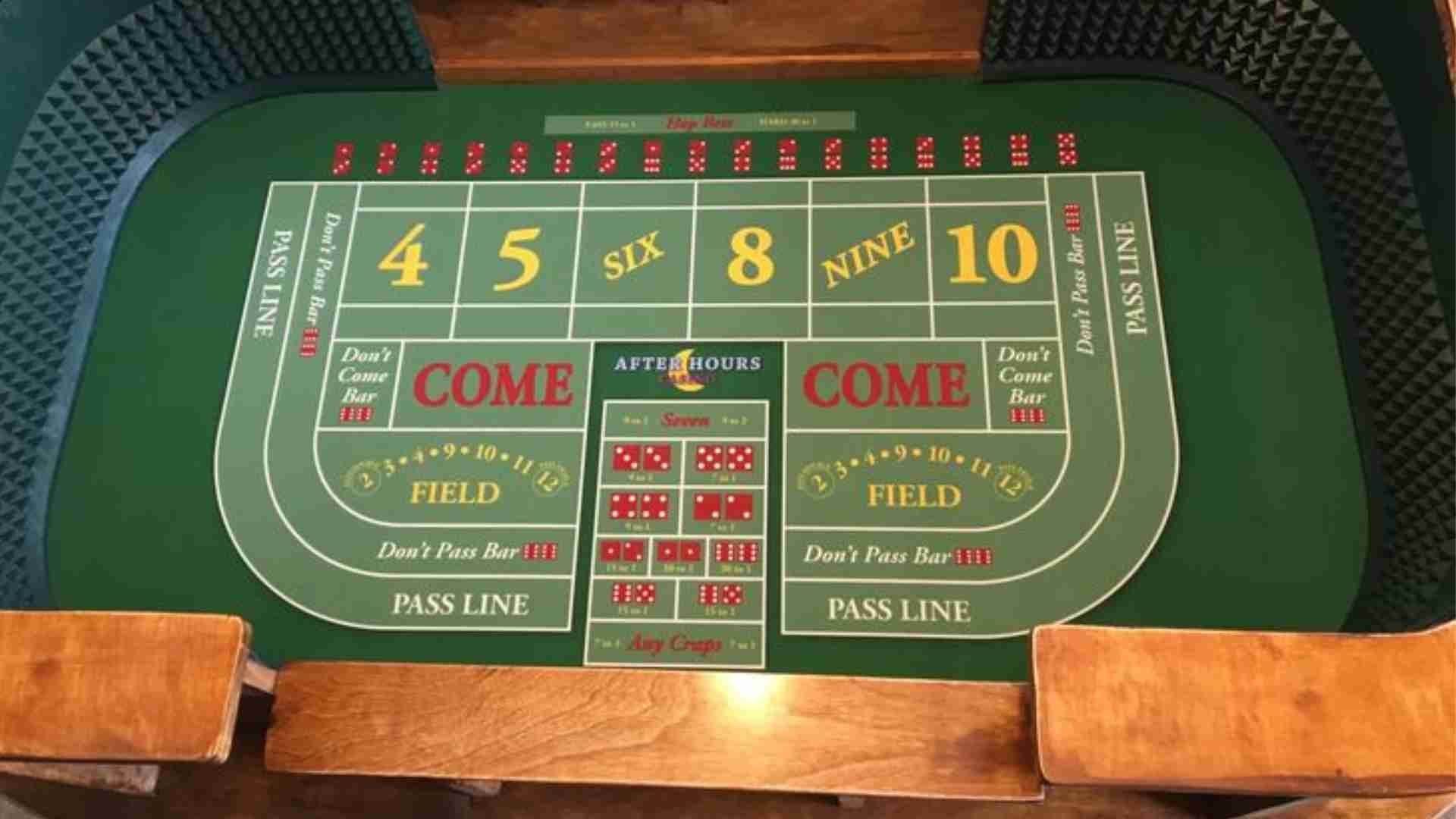
Exploring The Most Recognizable Baccarat Styles Worldwide ...
Baccarat has secured its place as an elegant centerpiece in the global casino landscape, capturing the imaginations of enthusiasts from European salons to modern digital platforms. While the primary objective of predicting the high-scoring hand remains unchanged, unique regional adjustments have created distinct table layouts and rules worldwide. Exploring these prominent styles provides players with a deeper appreciation of the game's cultural diversity and tactical variations.
Punto Banco The International Framework
Punto Banco stands as the most recognized version of baccarat across the Americas, Asia, and prominent online gaming floors. In this configuration, the casino acts as the bank at all times, ensuring that the rules governing third-card draws are completely fixed and automatic. Participants simply place their wagers on the player, the banker, or a tie without needing to make complex decisions during active play.
This predictable structure makes it highly appealing to both casual players looking for streamlined entertainment and high rollers seeking traditional table prestige. Because the dealer manages all physical components swiftly, it maintains an energetic rhythm that fits perfectly within bustling casino halls. Many modern gaming setups like m88 cá cược thể thao trực tuyến run these traditional layouts alongside specialized gaming options to serve a broad international audience.
Chemin de Fer The Historic European Practice
Chemin de Fer offers a fascinating contrast to automated variants by introducing direct player autonomy and decision-making into each round. Originating in France, this classic format requires participants to actively take turns acting as the banker and financing table stakes themselves. Furthermore, the designated active player holds the unique option to stand or draw a card when dealing with specific card combinations.
This strategic freedom creates an intense psychological atmosphere where table camaraderie and skill play active roles in the overall experience. Because it encourages direct interaction and shared financial responsibility among those around the felt, it remains a beloved tradition in established European gaming houses. It provides a historical perspective on how community dynamics used to shape early card entertainment formats.
Super 6 The Modern Operational Twist
Super 6, often referred to as No Commission Baccarat, has gained significant traction across vibrant Asian gaming hubs due to its streamlined payout system. Standard variations traditionally deduct a five percent fee from successful banker wagers, which can occasionally slow down the dealer's distribution process. This fast-paced alternative removes that calculation entirely by paying even money on almost all winning banker outcomes.
The critical exception occurs when the banker wins with an exact total of six, which modifies the specific payout to half of the original wager. This simple structural modification significantly accelerates table progression, allowing for a much higher volume of rounds during brief gaming sessions. It perfectly demonstrates how modern preferences for efficiency can reshape a timeless table classic for contemporary audiences.

Discovering Exciting Features Inside Modern Prize Wheels ...
Modern gaming modules have advanced significantly from simple mechanical spinners into multi-layered interactive platforms. Today, developers integrate complex audiovisual systems and dynamic mechanics to keep audiences thoroughly entertained during each session. Exploring these contemporary innovations reveals how digital updates have completely reshaped the classic spinning experience.
The Shift to Dynamic Audiovisual Feedback Systems
Vibrant animations and high-fidelity sound engineering serve as the structural backbone of modern gaming wheels. Unlike traditional wooden layouts, digital displays react instantly to user choices with flashing light sequences and dramatic acceleration models. This continuous sensory immersion enhances the natural anticipation that builds before the wheel reaches its final destination.
Furthermore, these aesthetic updates are closely aligned with verified mathematical outcomes to prevent confusing presentation loops. Creators build custom thematic elements around specific milestones, turning a simple mechanical calculation into an expressive cinematic moment. This transparent connection between mathematics and visual design fosters deep engagement across all player groups.
Understanding Layered Bonus Formats and Progression Wheels
Instead of delivering a single, isolated payout, contemporary variations often incorporate nested bonus rounds. Landing on specialized marker segments can instantly unlock secondary layers or unlock multi-stage prize structures. This architecture ensures that even intermediate results provide sustainable entertainment value beyond basic prize pools.
Many popular platforms use seasonal promotions or a specific 促销代码 m88 to offer participants entry into these premium progression tiers. These unique mechanisms allow small, incremental actions to build persistent momentum over multiple turns. Shifting consumer focus toward balanced multi-tier networks ensures a healthier and much more satisfying gaming environment.
The Core Role of Transparent Probability Parameters
Behind every digital simulation layer sits a sophisticated random number engine that determines independent outcomes. Trusted development networks prioritize full verification protocols to ensure that structural distribution models operate with complete integrity. Players can generally review official payout parameters directly within the main menu interface before beginning play.
Recognizing that each rotation represents a separate calculation helps participants eliminate common misconceptions about winning streaks. Because previous selections hold zero mathematical correlation with future results, analytical play remains focused on sustainable pacing strategies. This balanced perspective helps casual users enjoy the pure unpredictable nature of automated systems responsibly.
The Integration of Multi-User Community Mechanics
The newest era of interactive design focuses on turning solitary games into shared online experiences. Live streaming innovations allow multiple participants to watch the same mechanical wheel drop real-time rewards simultaneously. This collective anticipation builds a lively community atmosphere that mimics land-based promotional events.
Interactive chat components and real-time multiplayer scoreboards let users share strategies and celebrate milestones as a group. By combining traditional chance mechanics with modern social features, developers have created a durable entertainment framework. Discovering these innovative features ensures that every single turn remains exciting, balanced, and deeply engaging.

Kirby and the Forgotten Land Coop Features and Multiplayer Guide ...
Kirby and the Forgotten Land takes the iconic pink puffball into a fully realized three-dimensional world packed with secrets, vibrant landscapes, and clever challenges. While exploring this mysterious wilderness alone is a delightful experience, the adventure becomes significantly more engaging when shared with a friend. Understanding how the cooperative multiplayer mechanics function is essential for players looking to maximize their enjoyment of this charming platformer.
How to Unlock Local Co-Op Multiplayer
Stepping into the cooperative mode in Kirby and the Forgotten Land is a straightforward process designed for quick access. Players can activate local co-op almost immediately after completing the game's introductory tutorial stage. Once you arrive at the main hub or enter a standard level, opening the pause menu allows a second player to jump into the action seamlessly.
The multiplayer setup requires two compatible controllers synced to a single Nintendo Switch console, such as a pair of Joy-Cons or Pro Controllers. This seamless drop-in, drop-out design ensures that a gaming session can transform into a collaborative effort at a moment's notice. It provides an excellent way for family members or friends to tackle tough platforming sections together without losing any campaign progress.
Playing as Bandana Waddle Dee
While the primary player retains control of Kirby and his versatile copy abilities, the second player takes on the role of the loyal Bandana Waddle Dee. Equipped with a sturdy spear, this character offers a completely distinct playstyle focused on rapid physical attacks and ranged multi-thrust maneuvers. He can perform powerful aerial hover attacks and ground-pounding strikes that complement Kirby's dynamic transformations beautifully.
To keep the gameplay balanced, Bandana Waddle Dee's weapon automatically strengthens alongside Kirby's advanced ability evolutions. This design choice ensures that the secondary player never feels left behind or underpowered during late-game encounters and intense boss fights. It establishes a true sense of partnership, allowing both players to contribute equally to defeating enemies and uncovering hidden collectibles.
Camera Mechanics and Tether Restrictions
The shared screen setup in this 3D environment utilizes a camera system that prioritizes Kirby's position on the map. Because the camera follows the primary player, Bandana Waddle Dee must stay relatively close to Kirby to avoid being left behind. If the secondary player wanders too far off-screen, they will automatically warp back to Kirby's side within a few seconds.
This tethering system requires constant communication and coordination between both participants to explore efficiently. While it limits completely independent exploration, it effectively prevents players from getting lost in larger, labyrinthine stages. Working together ensures that hidden blueprint locations, trapped Waddle Dees, and optional mission objectives are discovered smoothly.
Shared Health and Shared Rewards
Cooperative play introduces a unique system for managing health items and restorative snacks found throughout the ruined civilization. When either player consumes food, standing next to their partner triggers a high-five animation that shares the healing benefits. This mechanic encourages players to look out for one another and strategically distribute resources during long survival stretches.
Furthermore, all star coins, rare stones, and rescued townspeople collected during a stage are pooled into a single shared inventory. Both players contribute to rebuilding Waddle Dee Town and unlocking powerful item shops regardless of who physically grabbed the items. This unified progression system makes every cooperative session feel highly rewarding and impactful for the entire save file.
Gotham Knights Court Of Owls Puzzle Solution ...
Gotham Knights immerses players in a dark, sprawling narrative where the Bat-family must protect a vulnerable city following the death of Batman. As you progress through the main story campaign, you will eventually encounter the shadowy and aristocratic secret society that has controlled Gotham from behind the scenes for centuries. During Case File 2.2 at the exclusive Powers Club, players face a challenging environmental shadow puzzle that must be solved to uncover hidden pathways and advance the investigation into this mysterious syndicate.
Locating the Hidden Mechanism
Before you can begin manipulating the puzzle elements, you must first reveal the interactive mechanisms hidden within the club's elegant showroom. Activate your Augmented Reality scanner to thoroughly inspect the large room, which features a prominent owl sculpture resting in the center under a spotlight. Scanning the area reveals a hidden console on the wall and pressure plates concealed beneath the floorboards that control the light projection. Interacting with the primary wall switch activates the central projector, casting a distinct silhouette onto the far wall that forms the foundation of the puzzle.
Understanding the Architectural Order
The core objective of this puzzle requires players to arrange a series of historical building miniatures so that their cast shadows form a complete silhouette of a flying owl. There are four distinct architectural models placed on pedestals surrounding the central projection area. Each building represents a different era of Gotham City's architectural development and expansion over the centuries. To succeed, you must rotate these structures using the floor plates until their individual shadows align perfectly with the outlines displayed on the wall.
Aligning the Shadows Correctly
Solving the sequence requires understanding how each building piece corresponds to the overall avian silhouette. Start by rotating the leftmost building plate until its shadow fills out the corresponding wing tip on the wall outline. Move systematically across the floor to the subsequent structures, adjusting their orientations to match the talons and body sections. The puzzle tracks your correct inputs seamlessly, and you will know a piece is correctly positioned when its segment of the wall graphic illuminates with a sharp outline.
Unlocking the Secret Passage
Once all four architectural models have been rotated into their proper alignment, the complete shadow silhouette will lock into place. A brief in-game cinematic will trigger, showing the central mechanism activating and shifting the heavy stone masonry of the room. This reveals a hidden staircase descending deep beneath the Powers Club into the historical catacombs of the city. Stepping through this newly opened passage allows the knights to continue their high-stakes investigation directly into the heart of the secret society's operations.
The Art Of Building Suspense Around A Spinning Prize Wheel ...
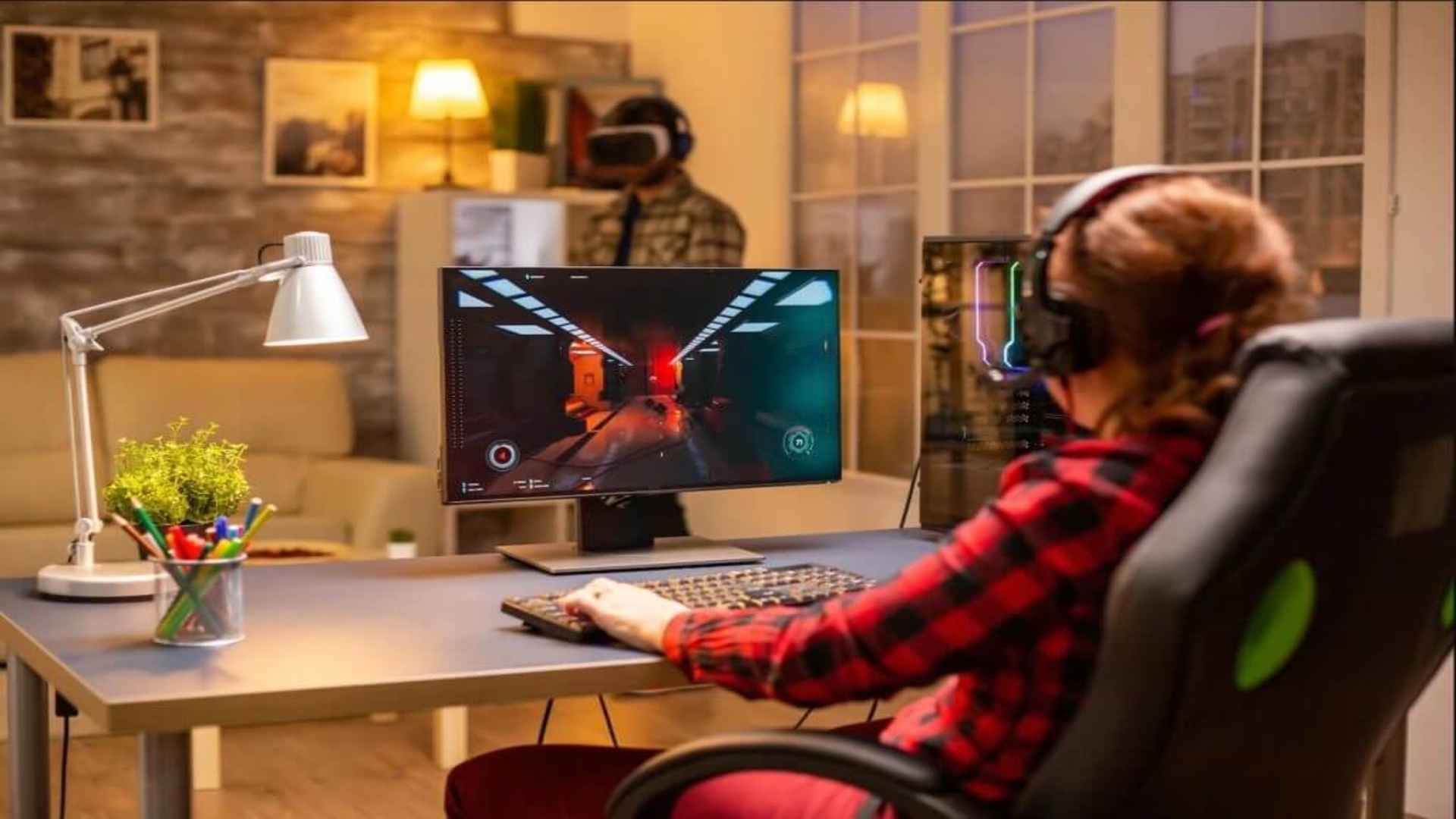
The spinning prize wheel is a legendary tool in the world of entertainment, celebrated for its unique ability to turn a simple random outcome into a dramatic event. While the final reward is always a key focus, the journey toward that discovery provides the true emotional value for the audience. Masterful creators understand that the absolute core of this experience relies on building a powerful sense of psychological anticipation.
The Psychology of Controlled Deceleration
When a colorful wheel is launched into motion, the initial high-speed rotation offers a generalized burst of visual energy. However, the real magic begins to happen the exact moment the system starts losing its velocity. As the physical flapper or digital indicator begins clicking slowly against individual partitions, the human brain experiences a dramatic spike in heightened focus.
This deliberate slow-down shifts the observer from passive watching into active, intense emotional involvement. Participants naturally start calculating the remaining distance between the pointer and their favorite rewards. This unique phase demonstrates how controlling mechanical pacing can manipulate hope and curiosity simultaneously.
Designing the Ideal Audio Visual Micro Moments
Modern digital developers elevate traditional carnival physics by utilizing sophisticated multi-sensory feedback loops. High-definition graphical layouts and timed acoustic sequences are carefully engineered to match the rhythmic pacing of the deceleration. These minor enhancements ensure that every single click feels incredibly impactful to the observer.
Many modern promotional platforms use these identical psychological tricks to maximize consumer engagement. For example, systems utilizing a specialized 推广代码 m88 build customized reward interfaces that emphasize visual tension before revealing bonuses. This careful level of creative presentation ensures that the experience remains deeply memorable long after the rotation stops.
Managing Transparency and Reward Structure
The layout of a prize wheel is unique because it displays every single potential outcome right in front of the player. Unlike a hidden mystery box, this complete transparency allows players to visualize exactly what they might win or narrowly miss. Seeing a massive jackpot sit right next to a small consolation prize naturally amplifies the drama of the turn.
This structural arrangement triggers an evolutionary instinct related to near-miss psychology. When the pointer lands just one millimeter away from a major prize, it creates an intense desire to try again. Smart designers balance their prize sectors carefully to keep the gameplay looking reachable and fundamentally fair.
The Long Term Future of Anticipation Design
As virtual technology and augmented reality platforms continue to progress, the presentation of random selection will likely become even more immersive. Future updates might allow users to physically apply pressure to digital wheels, increasing their personal sense of control over the game. This added tactile feedback will deepen the relationship between user interaction and emotional satisfaction.
Ultimately, the timeless charm of the spinning layout shows no signs of fading in modern gaming spaces. Its simplicity offers a refreshing break from over-complicated digital mechanics while delivering clean, uncomplicated fun. By mastering the delicate art of suspense, creators ensure that the simple act of a spin remains universally captivating.
How Many Chapters Yakuza Kiwami 2 Has In The Main Story ...
Yakuza Kiwami 2 delivers a gripping crime drama that immerses players in the dangerous underbelly of Kamurocho and Sotenbori. As protagonist Kazuma Kiryu tries to prevent an all-out war between rival clans, the expansive narrative unfolds through a carefully structured episodic format. Understanding the breakdown of this journey helps players effectively manage their time and track their overall narrative progress.
The Core Narrative Structure and Total Chapters
The main storyline of Yakuza Kiwami 2 is officially divided into 15 distinct chapters. Each structural segment is named to reflect its thematic focus, starting from the introductory events of Letter of Blood to the dramatic conclusion of Blood and Bonds. This pacing mirrors the narrative design of the original 2006 PlayStation 2 release while utilizing a modern game engine.
For most players focusing solely on the critical path, completing the primary campaign requires a significant time commitment. An average playthrough that prioritizes the core story takes roughly 15 to 20 hours to reach the final credits. However, rushing through these segments might cause you to miss crucial character development and dynamic localized world events.
The Final Showdown and Post Game Content
While the traditional main story campaign officially concludes after the fifteenth chapter, specific versions and historical releases reference a sixteenth segment. This technical distinction often includes the final boss encounters and the extended epilogue sequences that wrap up Kiryu's relationship with the Omi Alliance. Regardless of how individual lists categorize the ending, the narrative arc remains a seamless and satisfying experience.
Once the final curtain falls on the primary conflict, players unlock the highly anticipated Premium Adventure mode. This feature allows fans to explore the fully realized cities without the pressure of active mission objectives. It serves as the perfect opportunity to finish remaining activities, uncover hidden secrets, or manage complex business minigames.
Exploring the Additional Majima Saga Chapters
Beyond the primary journey of the Dragon of Dojima, this remake introduces a brand new exclusive side scenario focusing entirely on Goro Majima. Titled The Truth of Goro Majima, this bonus campaign adds 3 extra chapters to the overall package. These episodes are unlocked sequentially as you make steady progress through the mainline narrative.
This extra scenario provides vital context that fills the gap between the first two mainline games, especially regarding Majima's business ventures. Although these 3 chapters are short and do not feature a deep upgrade mechanic, they offer immense value for longtime fans. Combining these bonus missions with the primary campaign brings the total chapter count of the broader experience to 18 chapters.
Balancing Main Quests with Essential Substories
Succeeding in this intense action role-playing game requires more than just mastering your brawling combat styles. Stepping away from the main path to engage with the vibrant local community provides crucial experience points and unique items. Taking your time to enjoy the journey creates a much more balanced and memorable gameplay experience.
The game features dozens of optional substories scattered across both cities that seamlessly blend humor with emotional storytelling. Engaging with these quirky side activities ensures that Kiryu accumulates enough financial capital and upgrade points to face tougher late-game enemies. Balancing the dramatic main plot with these entertaining distractions offers the definitive way to experience this historic yakuza conflict.
Vampire Survivors Clock Lancet Evolution and Infinite Corridor Guide ...
Vampire Survivors challenges players to withstand relentless hordes of night creatures using an array of evolving armaments. Among the most strategic tools available is the Clock Lancet, a defensive utility weapon that fires freezing beams in a clockwise rotation to immobilize enemies. When properly upgraded, this freezing mechanism transforms into the devastating Infinite Corridor, allowing players to conquer endgame threats like the Reaper.
Unlocking and Utilizing the Clock Lancet
The baseline weapon does not inflict direct damage to incoming enemies but instead grants crucial breathing room during chaotic waves. To add this tool to your permanent pool, you must first discover an Orologion pickup during standard stage exploration. Once unlocked, characters like Iguana Gallo Valletto can leverage its freezing properties immediately to control crowded corridors.
Maximizing the efficiency of the freezing beam requires a deep understanding of standard passive items. Combining the weapon with the Empty Tome reduces firing cooldowns, enabling the beam to cover the battlefield much faster. Players should also consider increasing their duration stats to keep elite bosses frozen for extended periods.
Gathering the Required Evolution Materials
Evolving this utility tool into its ultimate form demands a highly specific set of accessories that are scattered across the game stages. You must acquire both the Silver Ring and the Gold Ring, which are heavily guarded by powerful stage guardians. These rings appear as interactive map icons after players successfully secure the Yellow Sign relic.
Surviving the trek to collect these rings introduces unique challenges due to the passive curses they apply to your run. The Gold Ring increases enemy speed, health, and spawn frequency, forcing players to build a strong offensive loadout beforehand. Balancing your survival metrics while leveling up both rings to their maximum rank is essential for evolution.
Activating the Infinite Corridor Transformation
Once you fully level up the weapon alongside the maxed-out Silver and Gold rings, defeating an elite stage boss triggers the transformation. Opening the dropped treasure chest completes the evolution process, replacing your standard beam with a screen-wide temporal rift. This upgrade completely changes the flow of combat by shifting your build from purely defensive to heavily offensive.
The evolved weapon retains the core freezing mechanic while adding a passive aura that cuts the current health of all onscreen enemies in half. This percentage-based damage makes it an absolute necessity for fighting late-game bosses that possess millions of health points. Even the seemingly invincible Red Death falls quickly when caught within this temporal field.
Optimal Builds for Stage Progression
To maximize the utility of this temporal evolution, players should pair it with complementary survival gear like the Laurel. Combining these two defensive options ensures absolute safety while your primary damage weapons clear out smaller enemies. This combination creates an unstoppable late-game build capable of surviving past the thirty-minute mark easily.
Selecting the right passive stats can accelerate your transition into this ultimate loadout. Prioritize items that enhance movement speed so you can collect the required stage rings before the difficulty scaling spikes significantly. With proper planning and careful movement, this item line guarantees a successful escape from the most grueling stages.
Semua artikel sudah ditampilkan.