Exploring Table Layout Options In Contemporary Poker Software
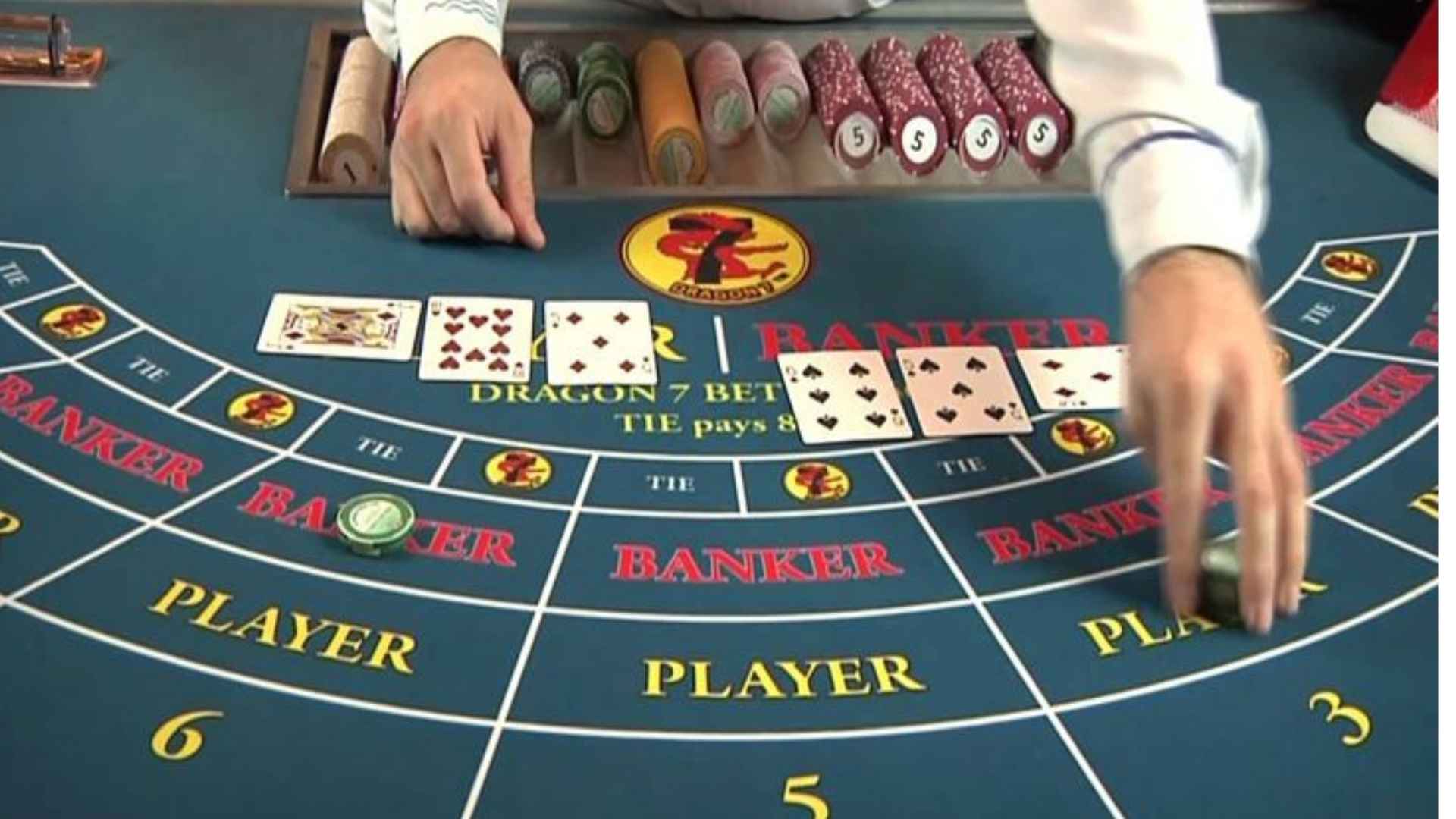
The visual arrangement of digital cardrooms plays a pivotal role in how enthusiasts process real-time information and execute complex strategies. Modern gaming clients have moved far beyond rigid, unchangeable grids, offering a variety of dynamic spatial structures to accommodate different styles of play. Discerning how these distinct structural formats function allows players to build an optimal grind environment tailored to their exact tactical demands.
The Core Frameworks of Grid and Cascading Layouts
Traditional grid arrangements remain the foundation for many multi-table players who require absolute visibility across all active sessions simultaneously. This structured method positions every window in a uniform, side-by-side pattern that completely eliminates the risk of missing a critical action indicator. By preventing overlapping interfaces, a standardized grid allows competitive participants to maintain passive focus over several games without continuous manual navigation.
Conversely, cascading systems stack active windows diagonally across the screen to conserve valuable display real estate on compact monitors. When an urgent decision occurs, the underlying application automatically brings the relevant table to the forefront of the workspace. This layout style is especially beneficial for individuals who prefer a larger view of a singular table rather than tracking multiple small frames.
The Multi Table Architecture of Tile and Cascade Adjustments
As virtual rooms continue to attract diverse user bases, developers focus heavily on automated layout adjustment features that react dynamically to new window additions. Modern systems utilize advanced layout engines that instantly resize existing frames whenever a new tournament or cash session opens. These automatic adaptations ensure that visual scaling happens smoothly without interrupting current gameplay interactions.
For those exploring advanced digital environments, platforms powered by a premium m88 mansion interface provide highly responsive table customization tools built for seamless multitasking. Integrating these specialized spatial parameters ensures that action alerts, chat boxes, and dealer logs remain perfectly aligned regardless of changing monitor configurations. Maintaining uniform formatting across different workspaces naturally helps players safeguard their accuracy over long sessions.
Customization Systems and Player Ergonomics
Beyond standard alignment models, custom table options empower users to tailor their virtual surroundings to support sustained mental stamina. Minimalist themes remove unnecessary graphics, animations, and promotional banners to keep the primary view completely free from disruptive noise. Reducing mechanical and visual friction allows players to direct their cognitive energy entirely toward calculating pot odds and tracking player habits.
Ultimately, selecting the perfect programmatic setup requires balancing system performance against individual layout preferences. High-quality poker programs optimize data transfer pathways so that shifting, resizing, or tiling multiple active tables consumes minimal hardware processing power. Investing time into structuring a highly personalized virtual interface creates a sustainable ecosystem where strategy can truly flourish over technical limitations.